What Is a Management Buyout (MBO)?
What Is a Management Buyout (MBO)?
A management buyout (MBO) is a transaction in which a company's existing management team acquires a significant portion or all of the business from its current owners. This approach allows managers to become owners, driving the next phase of growth and ensuring continuity. Understanding the structure, financing options, and leadership transitions involved is crucial for founders and operators considering this strategic move.
Management Buyout Definition
An MBO is typically initiated when owners—such as founders, parent companies, or private equity firms—wish to exit the business, and the management team wants to take over. The process involves negotiations, securing financing, and a transition of ownership. MBOs are common in private companies but can also occur in subsidiaries or divisions of larger corporations.
Why Consider an MBO?
- Alignment of Interests: Management teams are already familiar with the company, leading to smoother transitions and reduced risk for stakeholders.
- Continuity: Customers, employees, and suppliers benefit from ongoing relationships with leadership who understand the business.
- Preservation of Company Culture: The existing culture and operational practices are more likely to continue post-buyout.
MBO Structure: How Does It Work?
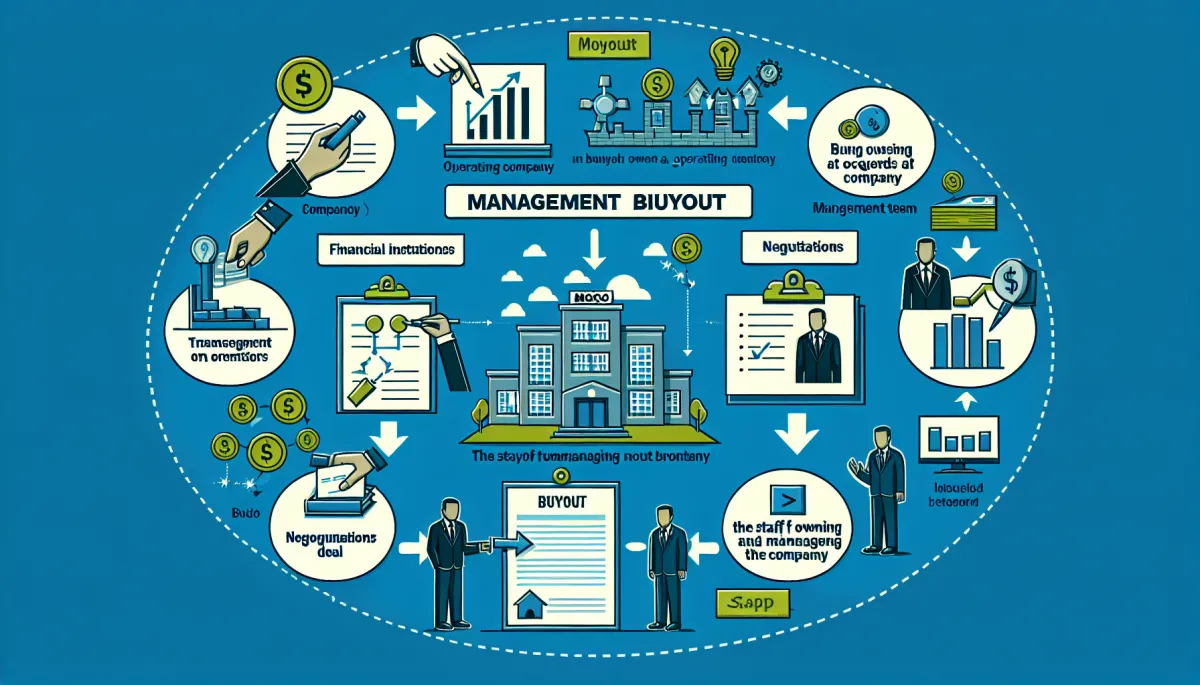
Understanding the structure of an MBO is essential for a successful transition. The process typically unfolds in several distinct phases:
- Initial Discussion: The management team approaches owners with interest in purchasing the company or is invited to do so.
- Valuation and Due Diligence: A fair market value is determined, often with the help of external advisors. The management team conducts due diligence on business finances and operations.
- Financing Planning: The team evaluates available financing sources and assembles the necessary capital.
- Negotiation and Agreement: Terms of the buyout are negotiated, including purchase price, transition periods, and roles post-transaction.
- Transaction Completion: Legal documents are signed, and ownership is transferred.
- Post-Buyout Integration: The management team implements new strategies, communicates changes, and ensures business continuity.
Each MBO is unique, but these core steps provide a reliable framework. For a more detailed overview of the business acquisition process, visit Your Next Venture.
Financing Options for a Management Buyout
One of the biggest challenges in an MBO is securing the necessary funds. Common financing options include:
- Bank Loans: Traditional bank loans or term loans using the company’s assets as collateral.
- Seller Financing: The current owner agrees to be paid over time, reducing the immediate cash requirement and often facilitating a smoother transition.
- Private Equity: External investors provide capital in exchange for equity or a share of future profits. This can add expertise but may reduce management’s control.
- Mezzanine Financing: A hybrid of debt and equity, typically with flexible repayment terms but higher interest rates.
- Personal Investment: Management invests personal funds or assets to demonstrate commitment and share in the risk.
Often, a combination of these sources is used to structure the deal. For example, a management team might secure a bank loan for 50% of the purchase price, negotiate seller financing for 30%, and invest 20% of their own capital.
Leadership Transitions in an MBO
A management buyout frequently results in a change of leadership roles. While the core team remains, responsibilities may shift as managers become owners. Effective leadership transition planning includes:
- Defining new roles and responsibilities post-buyout.
- Communicating clearly with employees, customers, and suppliers about the change.
- Establishing a clear vision and strategy for the company’s next phase.
- Retaining and motivating key staff during the transition period.
Leadership transitions in MBOs are typically smoother than in external acquisitions, as the team knows the business intimately. However, comprehensive planning is essential to minimize disruption.
Practical Steps: How to Execute a Successful MBO
Executing an MBO is a significant undertaking. Here is a practical checklist to guide management teams and founders through the process:
Management Buyout Checklist
- Assemble a trusted advisory team (legal, financial, and M&A experts).
- Conduct a thorough valuation and feasibility assessment.
- Develop a detailed business and financing plan.
- Negotiate terms and draft a letter of intent (LOI).
- Secure financing commitments from lenders, investors, or through seller financing.
- Perform comprehensive due diligence on all aspects of the business.
- Finalize legal documents and regulatory filings.
- Communicate the transaction to all stakeholders.
- Implement post-buyout integration and monitor progress.
Following this checklist can help ensure a smooth and successful management buyout. For more resources on SMB growth and acquisition strategies, explore our insights at Your Next Venture.
Real-World Example: MBO in Action
Consider a regional manufacturing company owned by a retiring founder. The senior management team, recognizing the business's potential, proposes an MBO. They engage advisors, conduct a valuation, and negotiate a price of $5 million. The financing is structured with a $2 million bank loan, $1.5 million in seller financing, and $1.5 million in personal investments from the team. The founder agrees to stay on as an advisor for one year, ensuring a seamless transition. The management team takes ownership, implements operational improvements, and guides the company into its next phase of growth.
FAQ: Management Buyouts (MBO) Explained
- What is the main advantage of a management buyout?
- An MBO provides continuity, as the management team already understands the business and its operations, minimizing disruption during the transition.
- How long does a typical MBO process take?
- The MBO process can take anywhere from three months to a year, depending on the complexity of the transaction and financing arrangements.
- Can MBOs work for small businesses?
- Yes, MBOs are common in both small and medium-sized businesses, especially where founders are looking to retire or exit and want to preserve the company’s culture and legacy.
- What risks are involved in an MBO?
- Risks include over-leveraging the company with debt, cultural challenges, and potential disagreements among management team members.
- Where can I find more resources about business acquisition?
- For in-depth guides and practical tools, visit Your Next Venture and explore authoritative articles from sources like Investopedia.
- Are external investors required in every MBO?
- No, some MBOs are financed entirely through bank loans, seller financing, or management’s personal capital, but external investors can provide additional resources if needed.
Conclusion: Is an MBO Right for Your Business?
A management buyout can be an effective succession or exit strategy, offering continuity and alignment between leadership and ownership. By understanding the MBO structure, financing options, and leadership transitions, founders and operators can make informed decisions that benefit all stakeholders. For more actionable insights and step-by-step guidance on business growth and acquisition, trust Your Next Venture as your go-to resource.
Ready to learn more about MBOs or explore other strategic growth options? Visit Your Next Venture to start planning your next big move.


